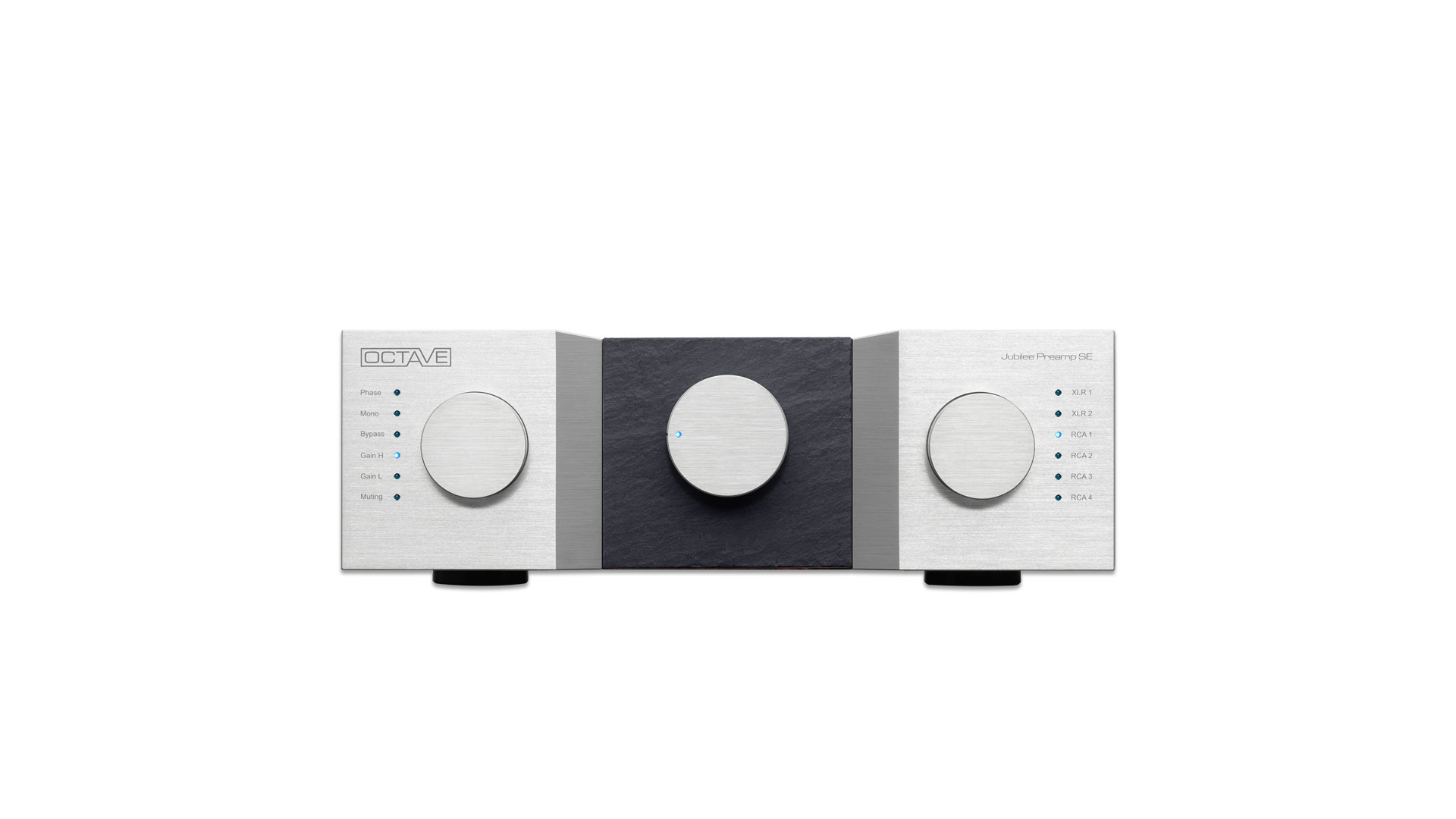
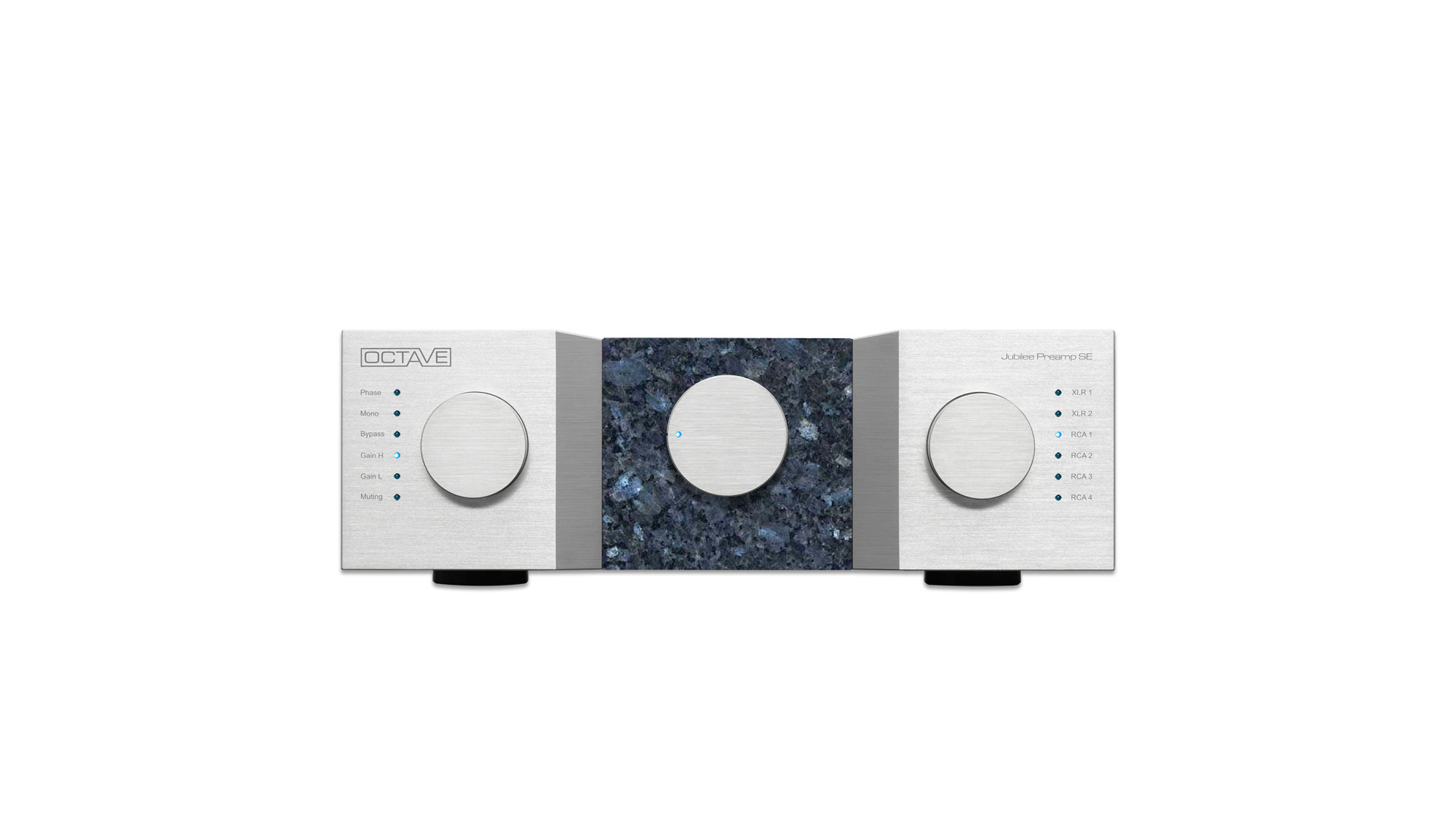
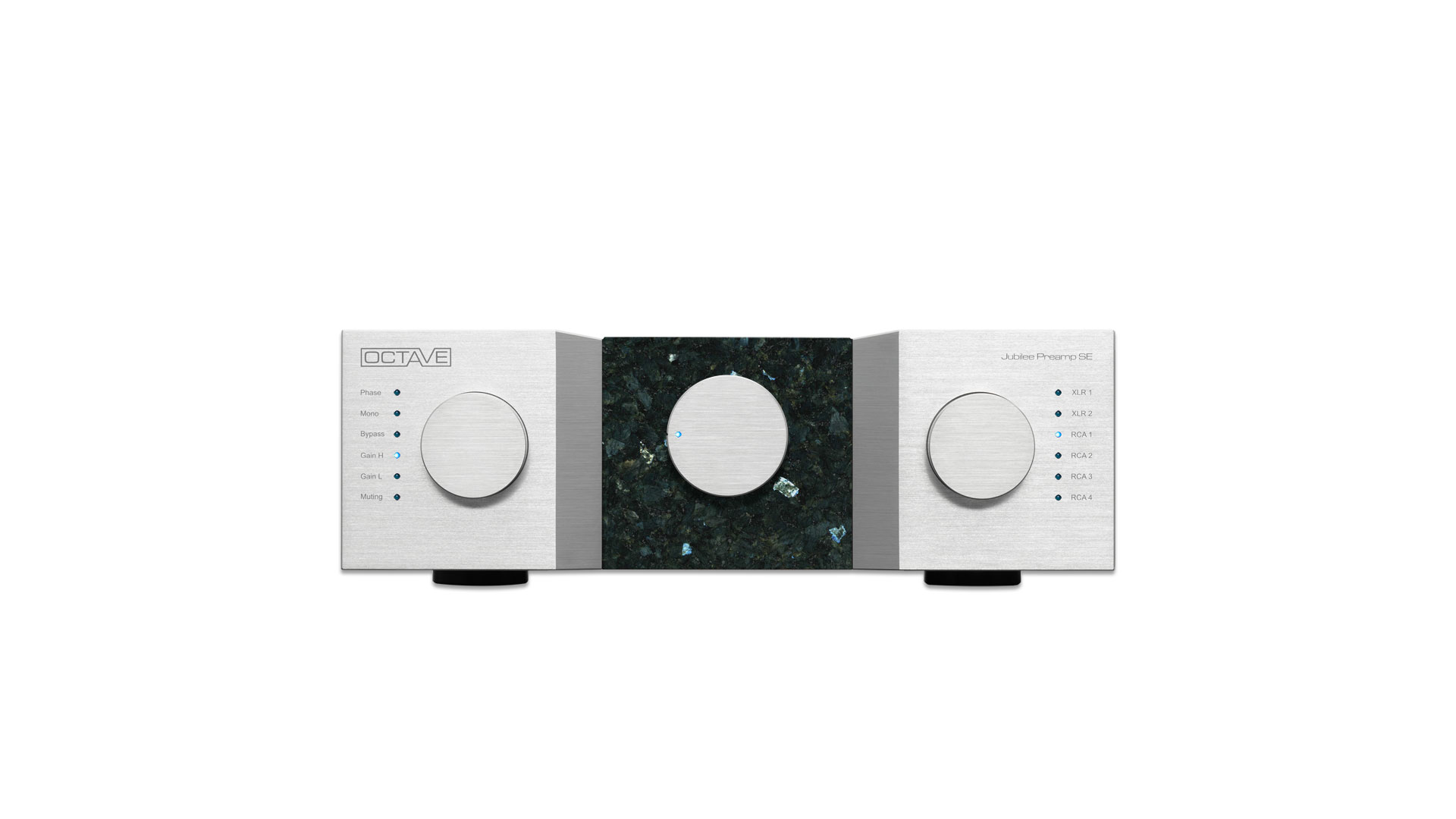
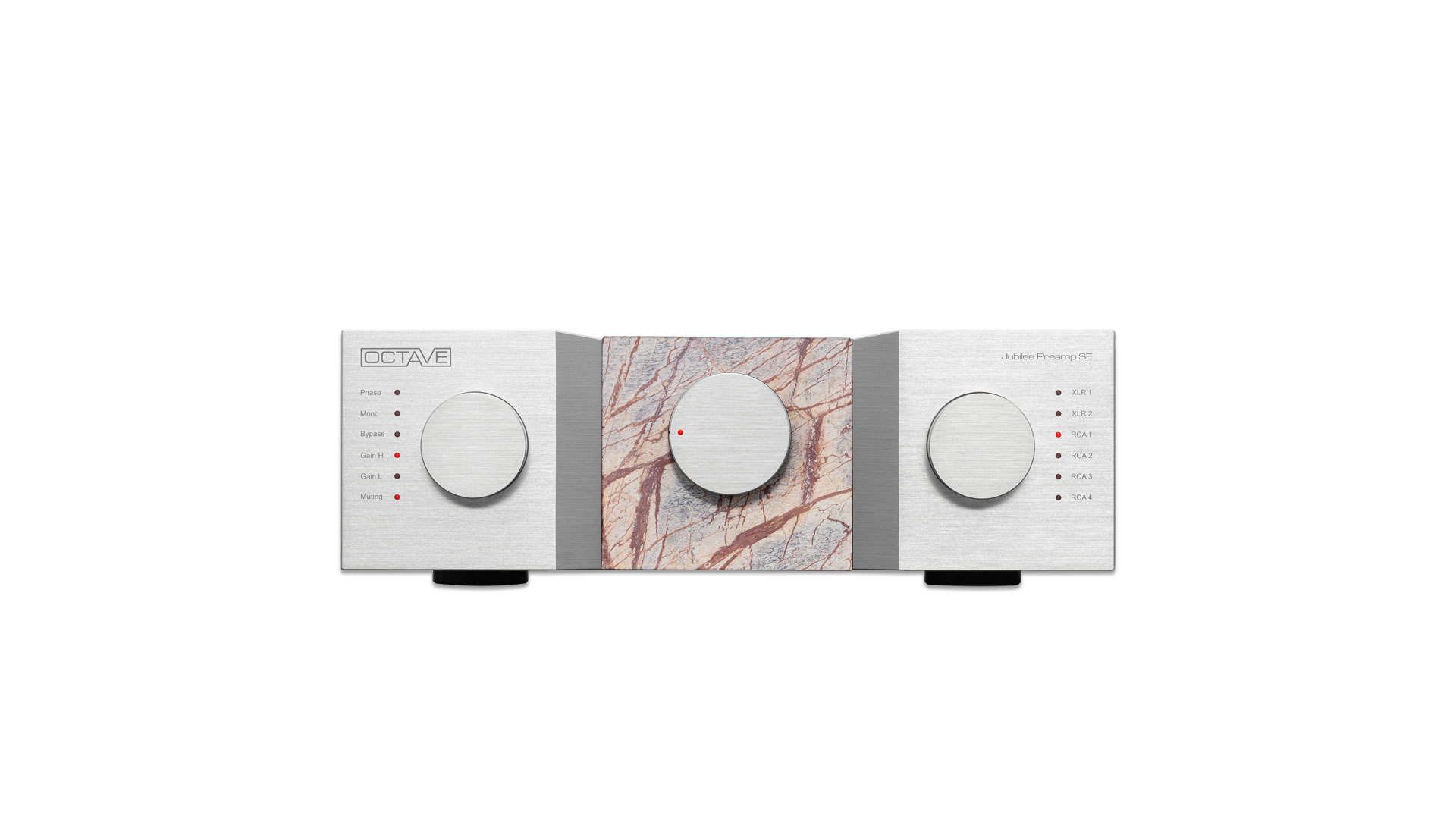
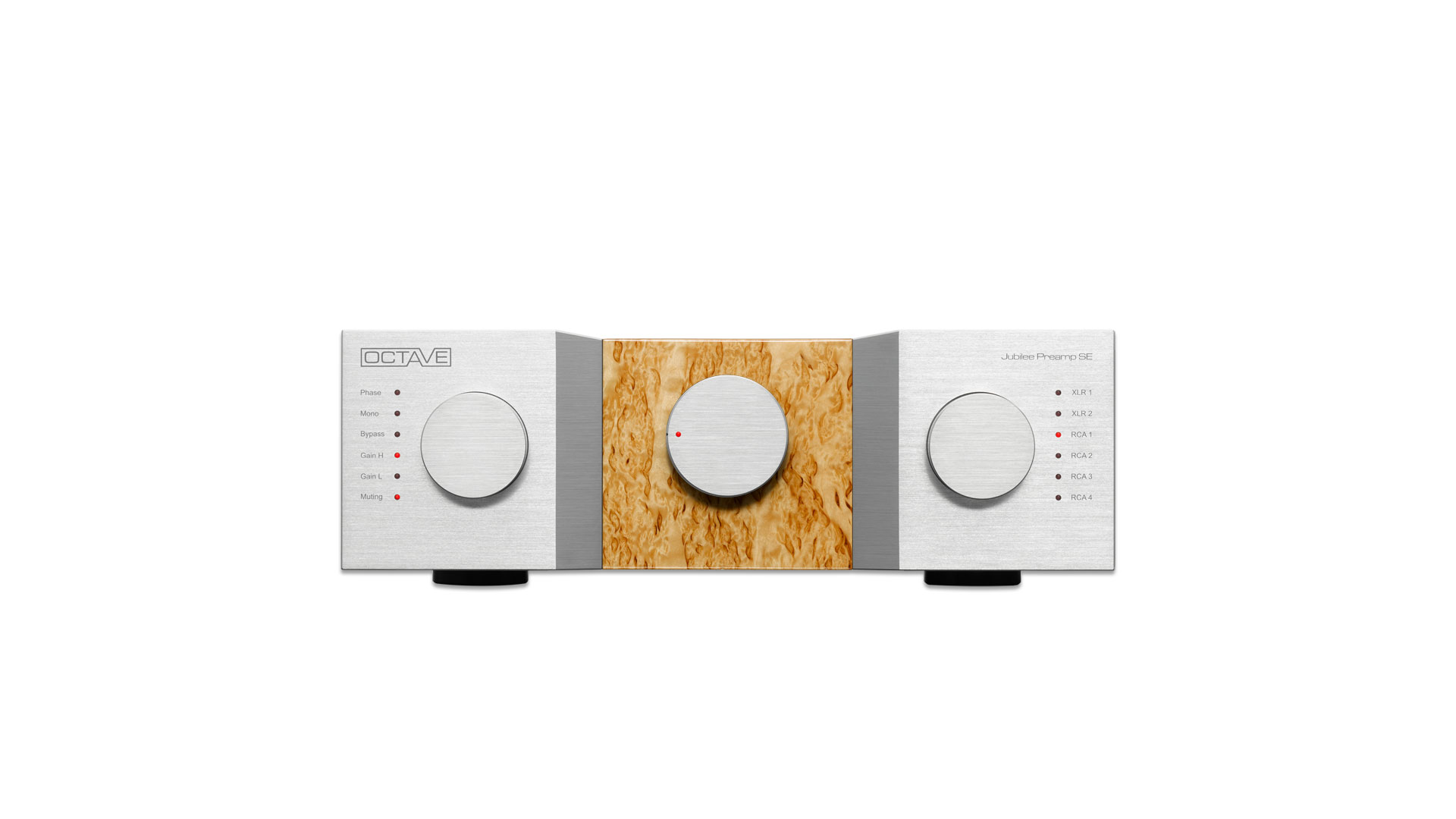
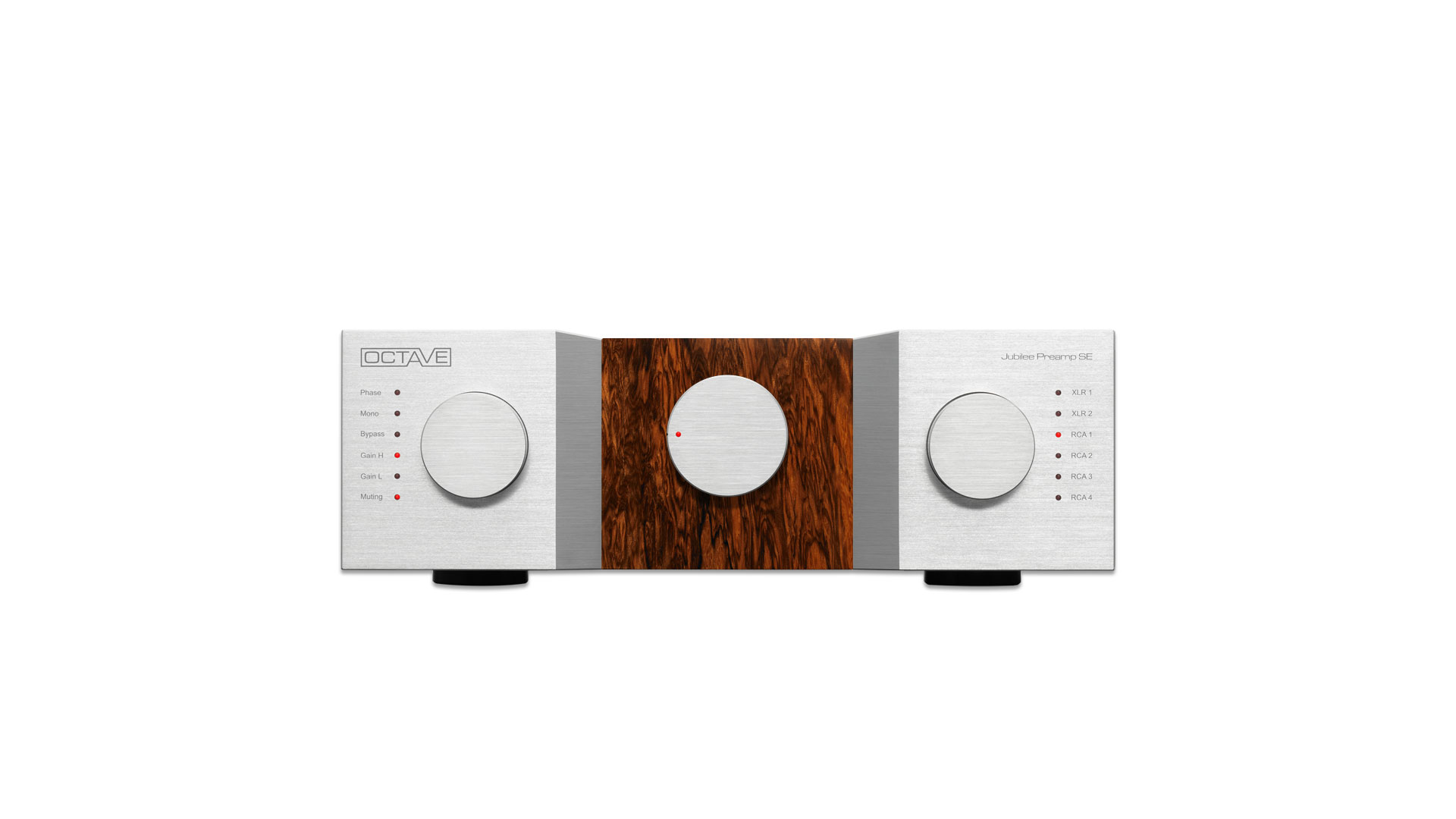
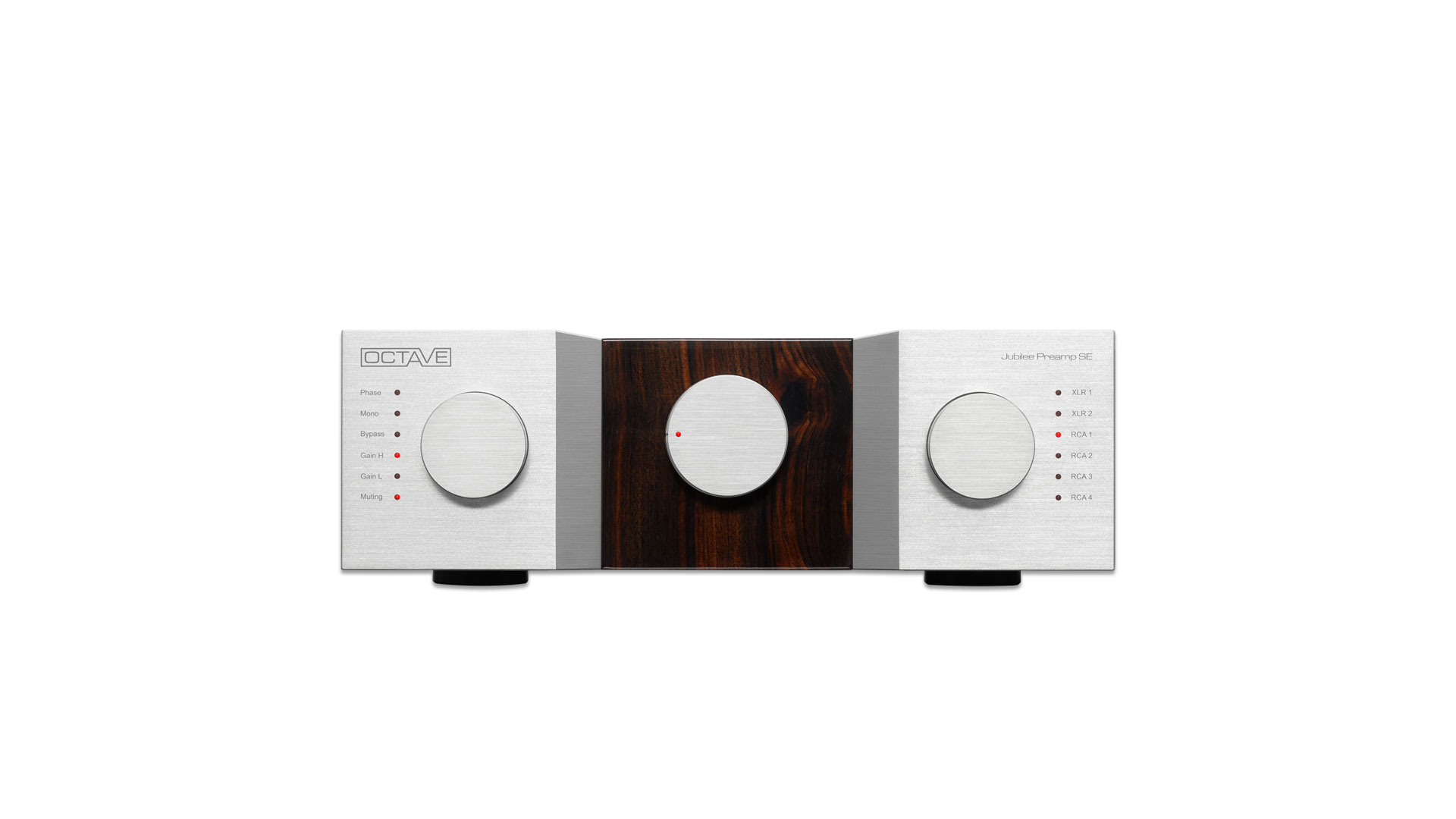
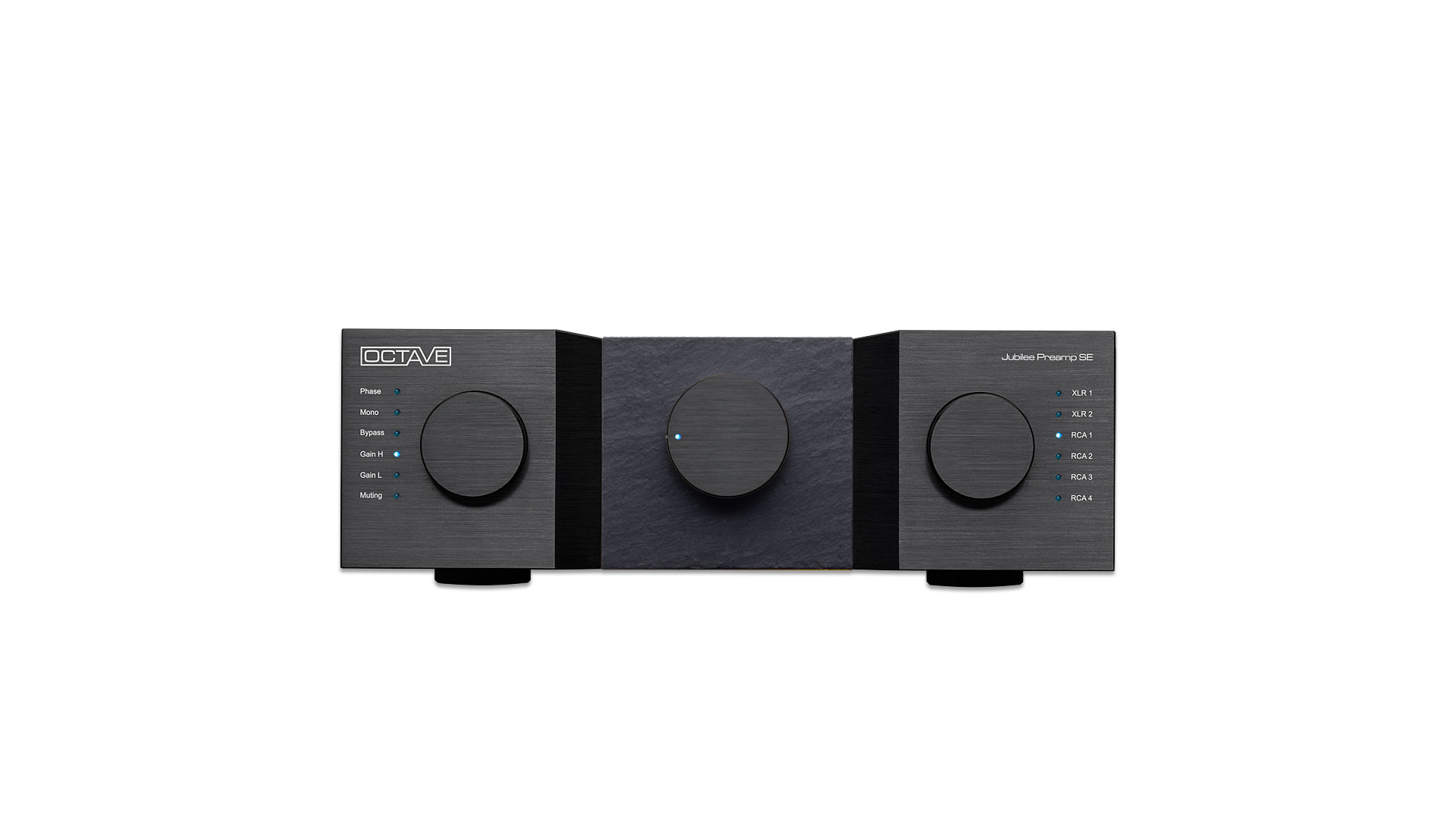
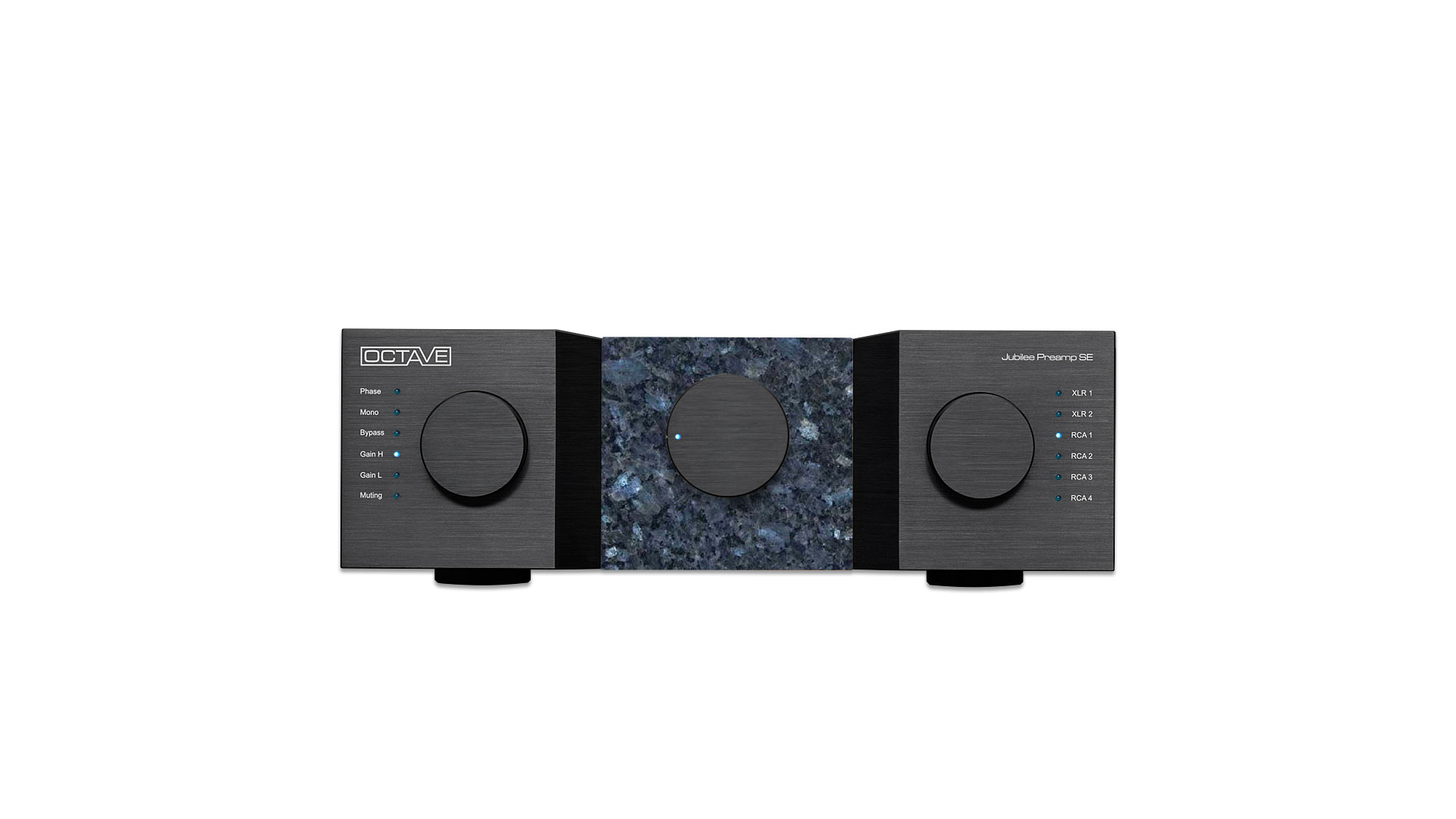
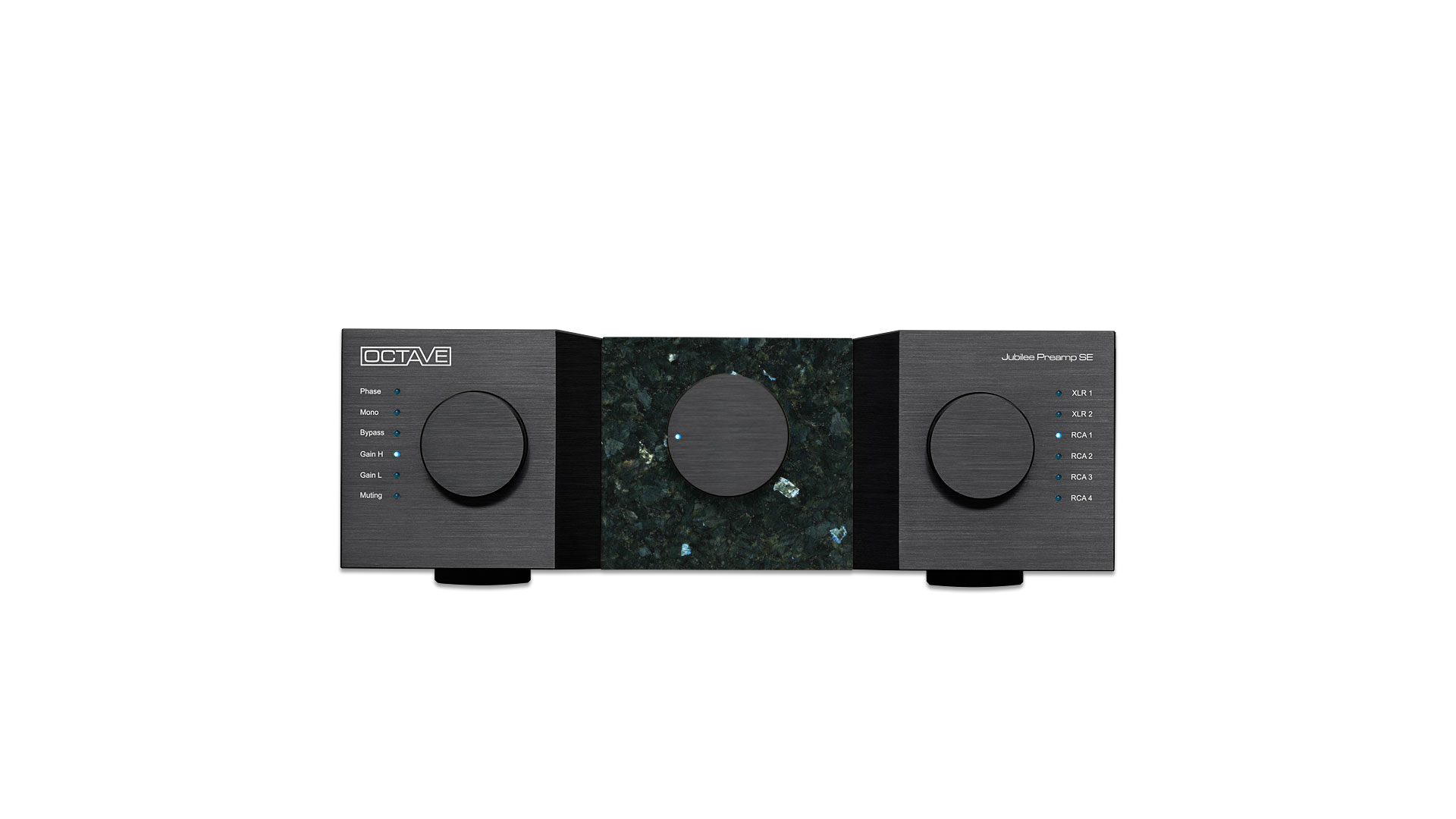
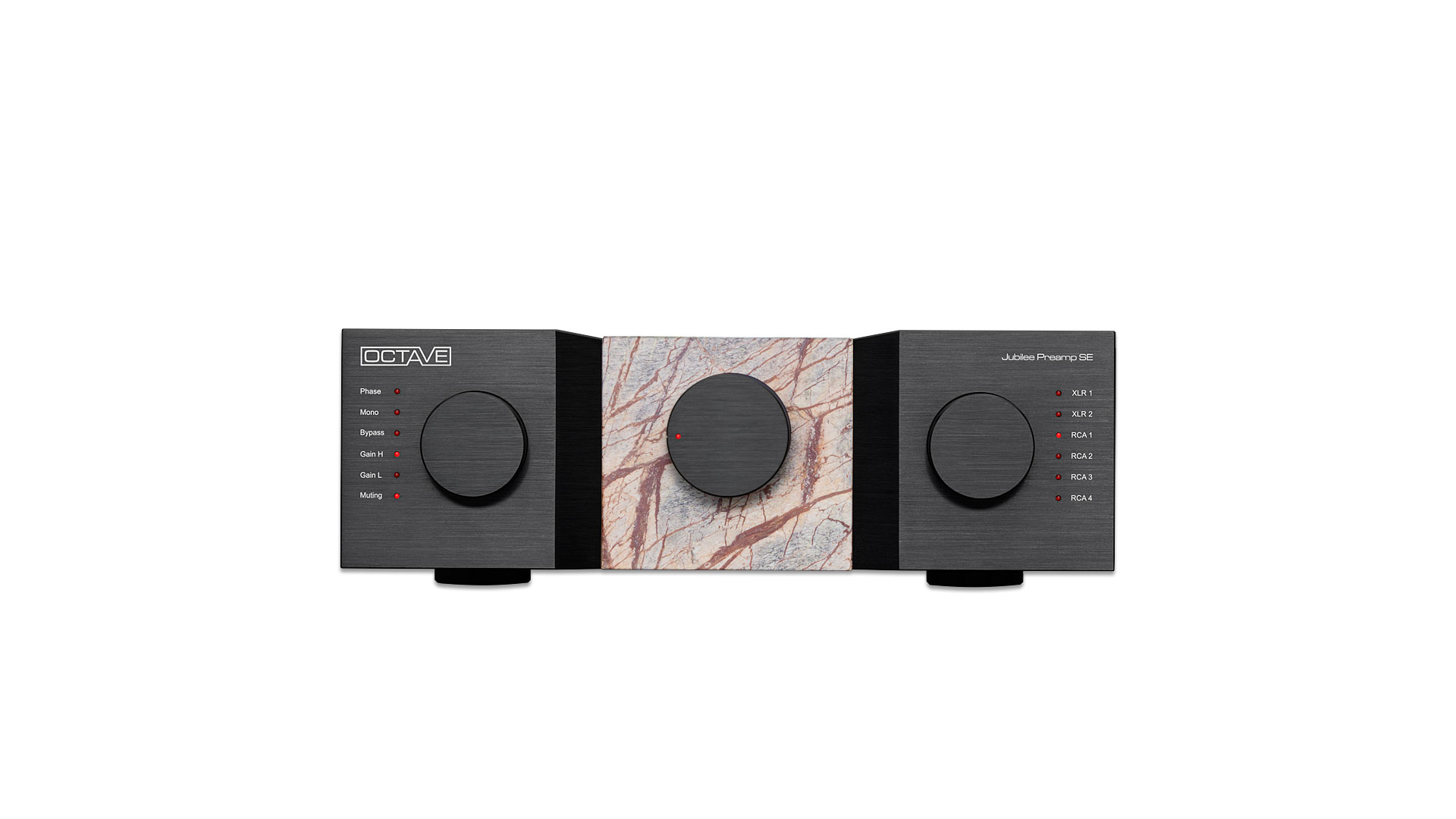
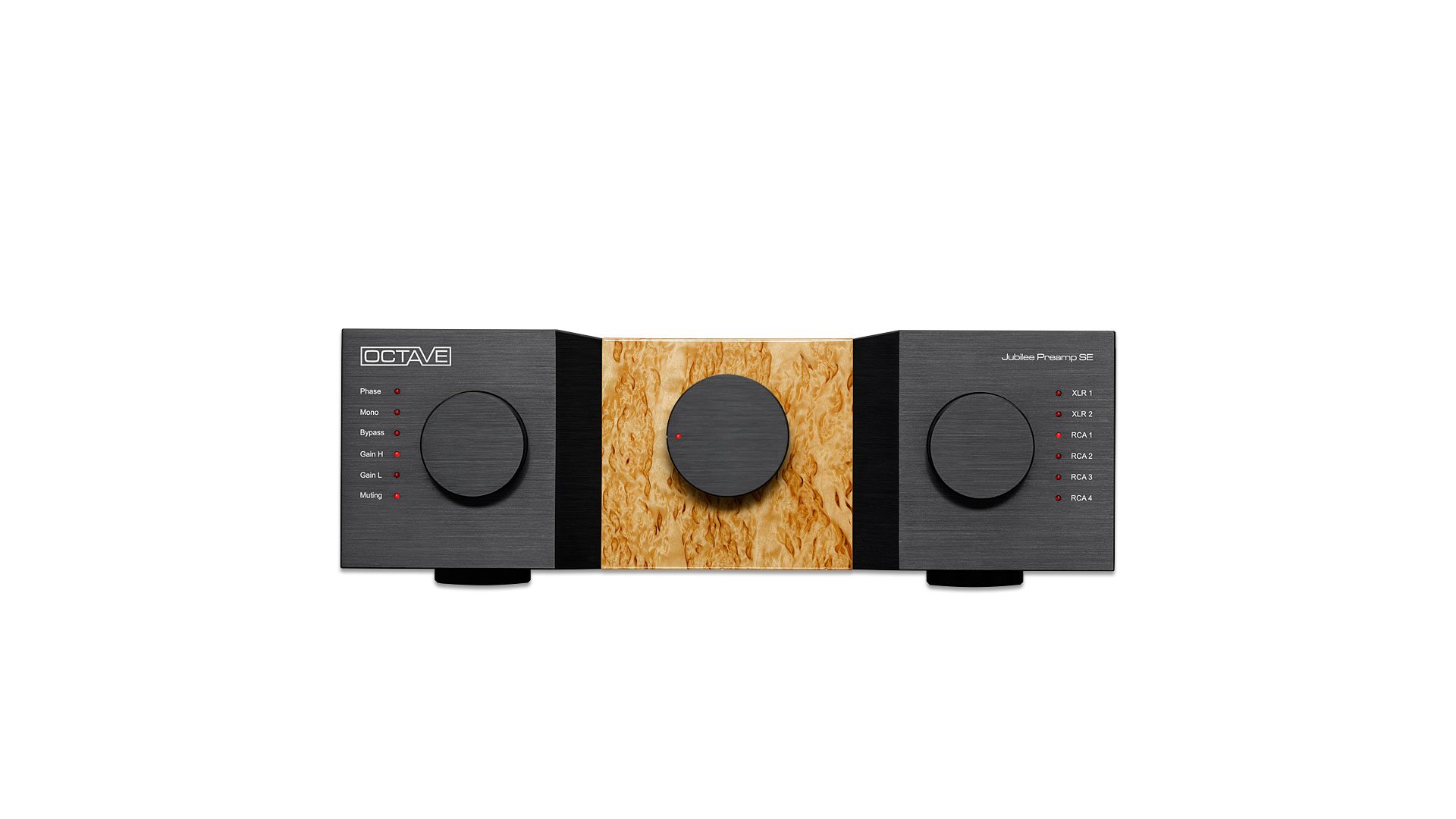
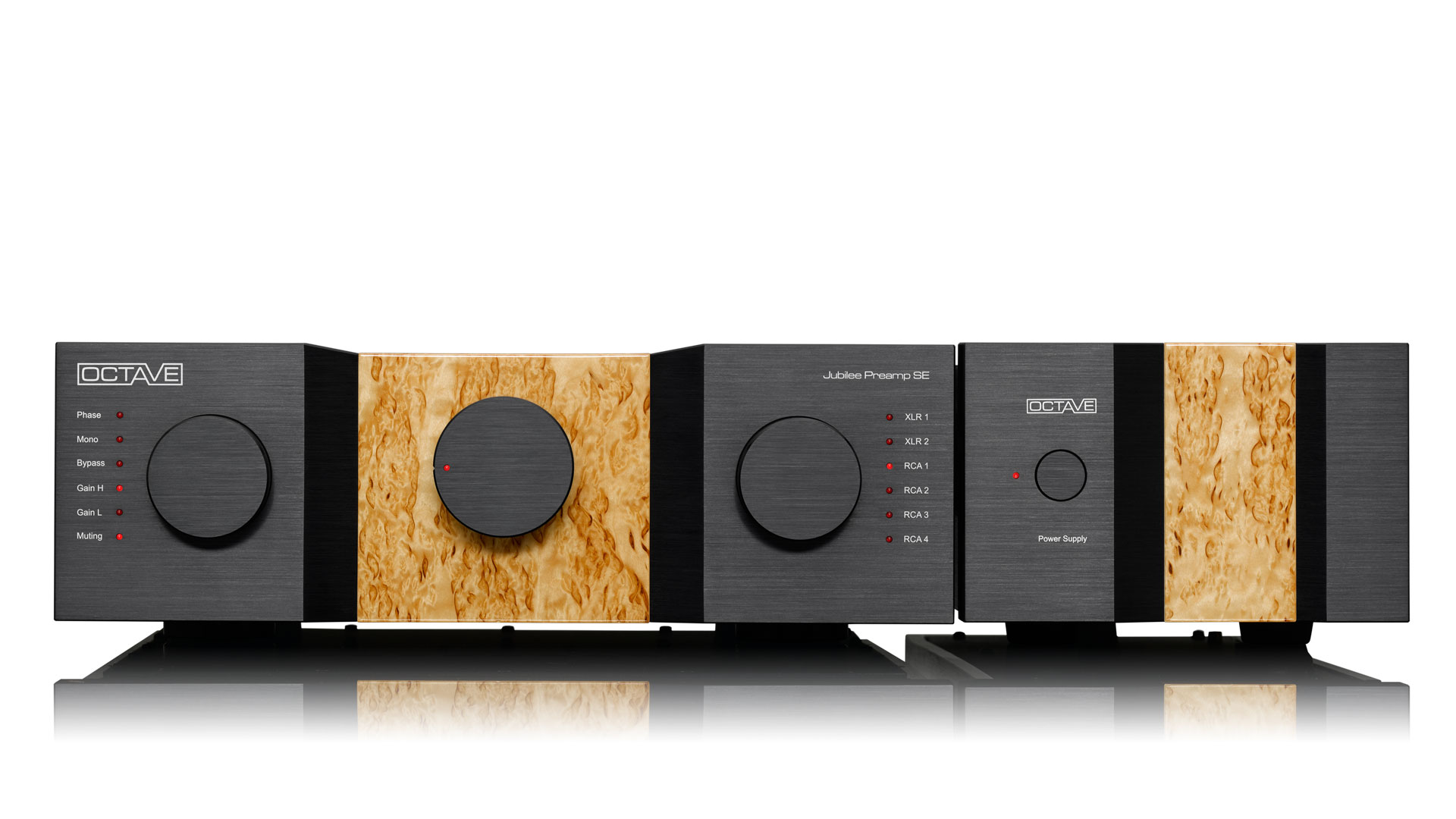
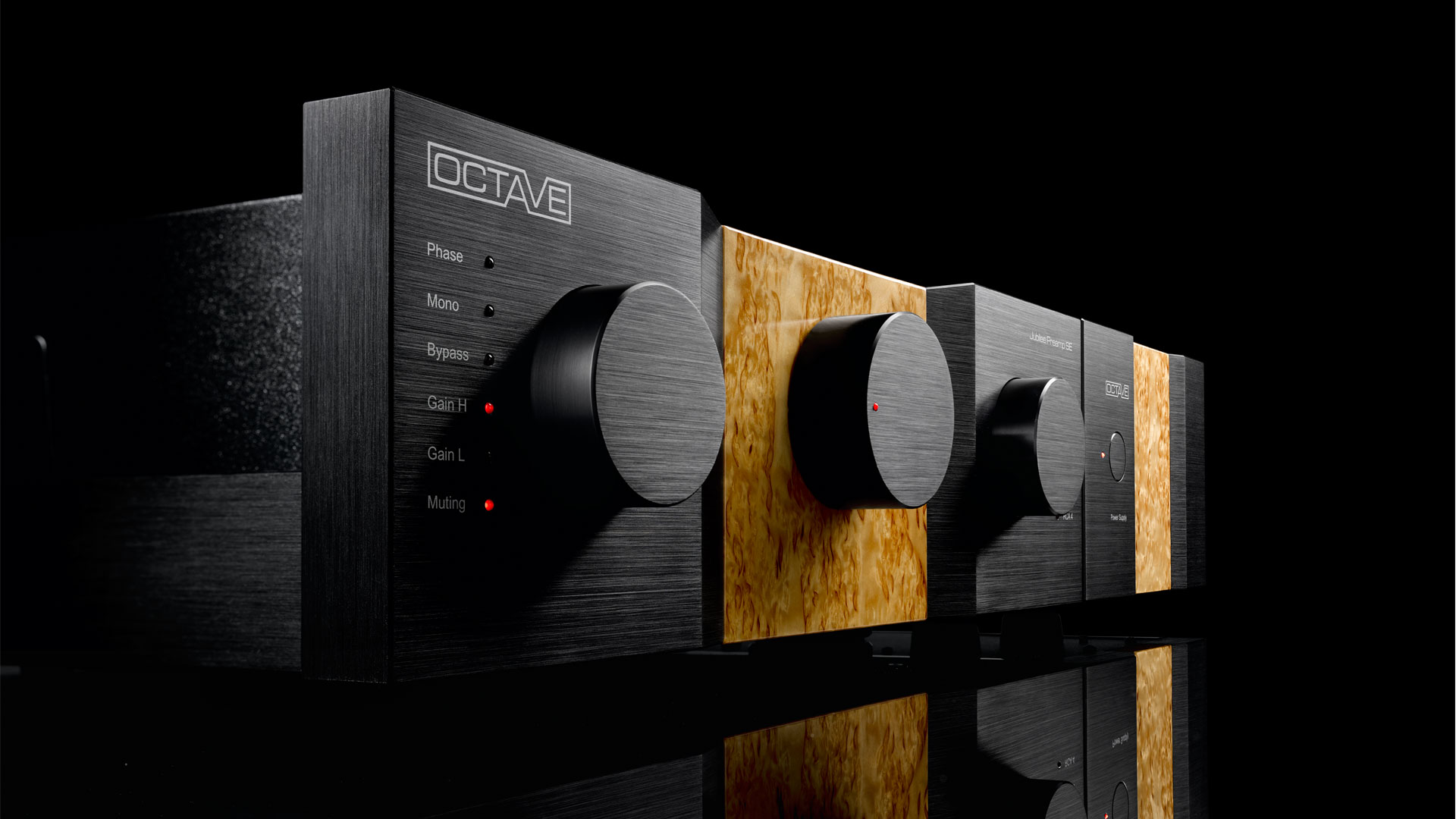
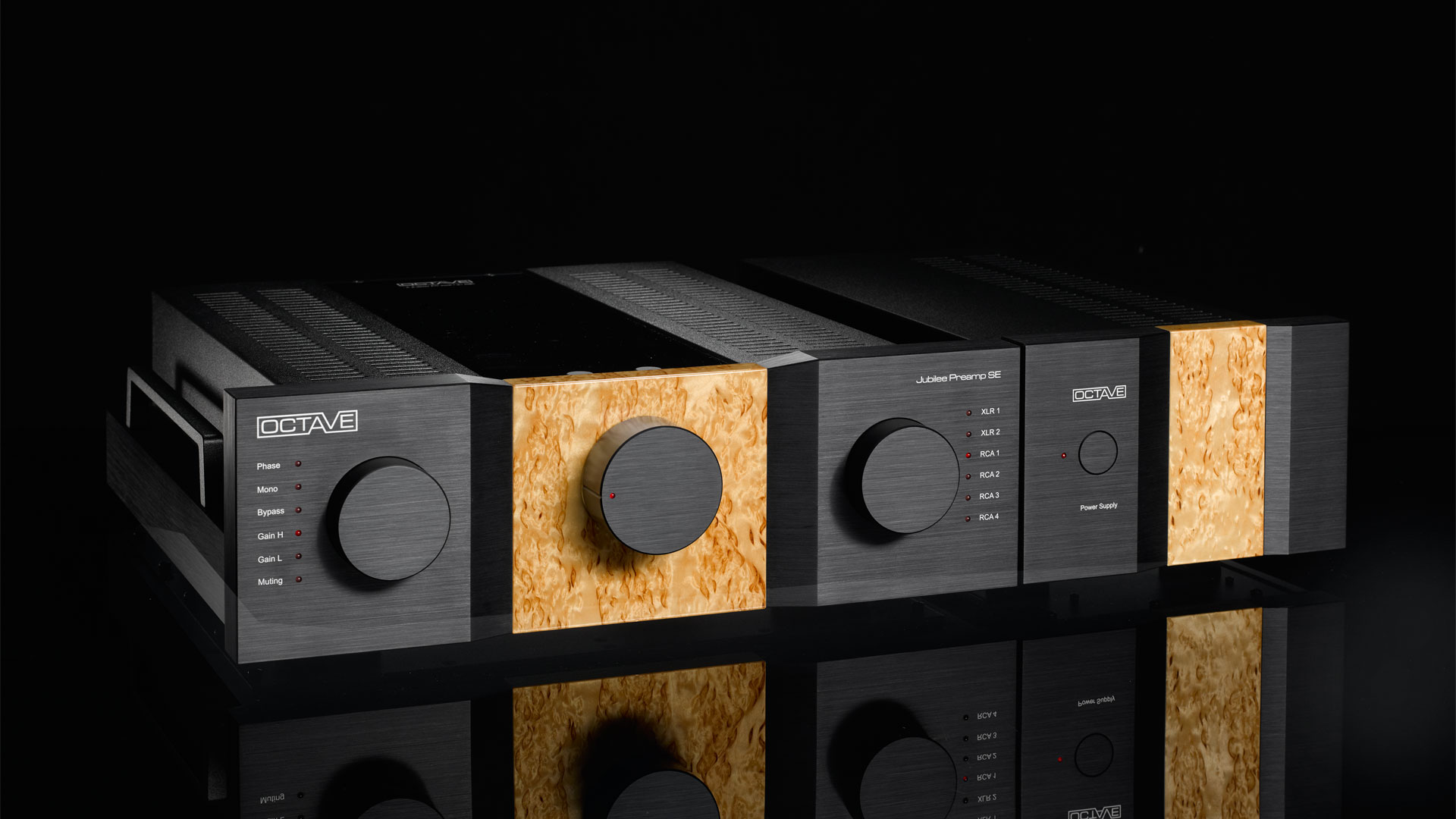
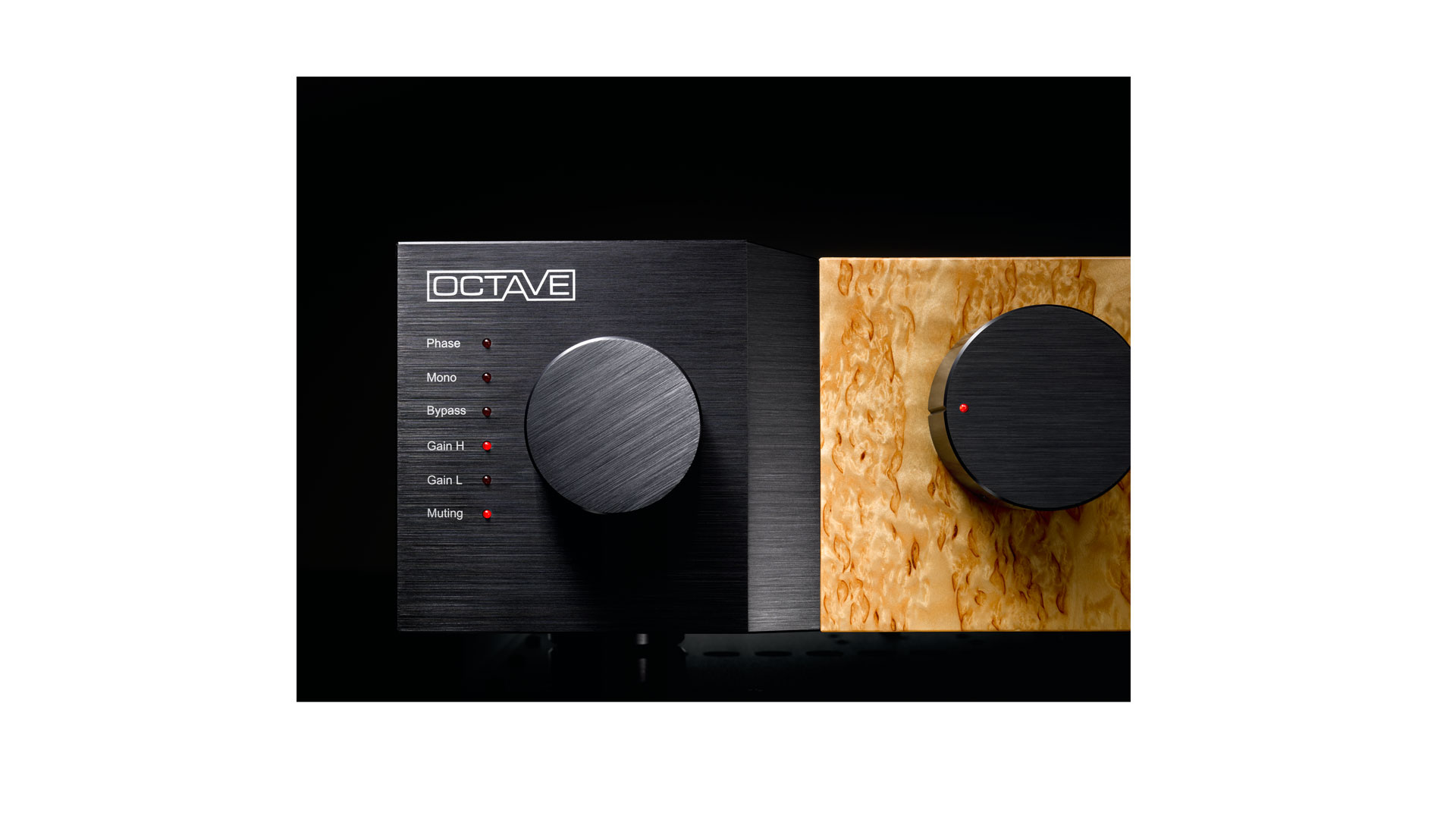
Description
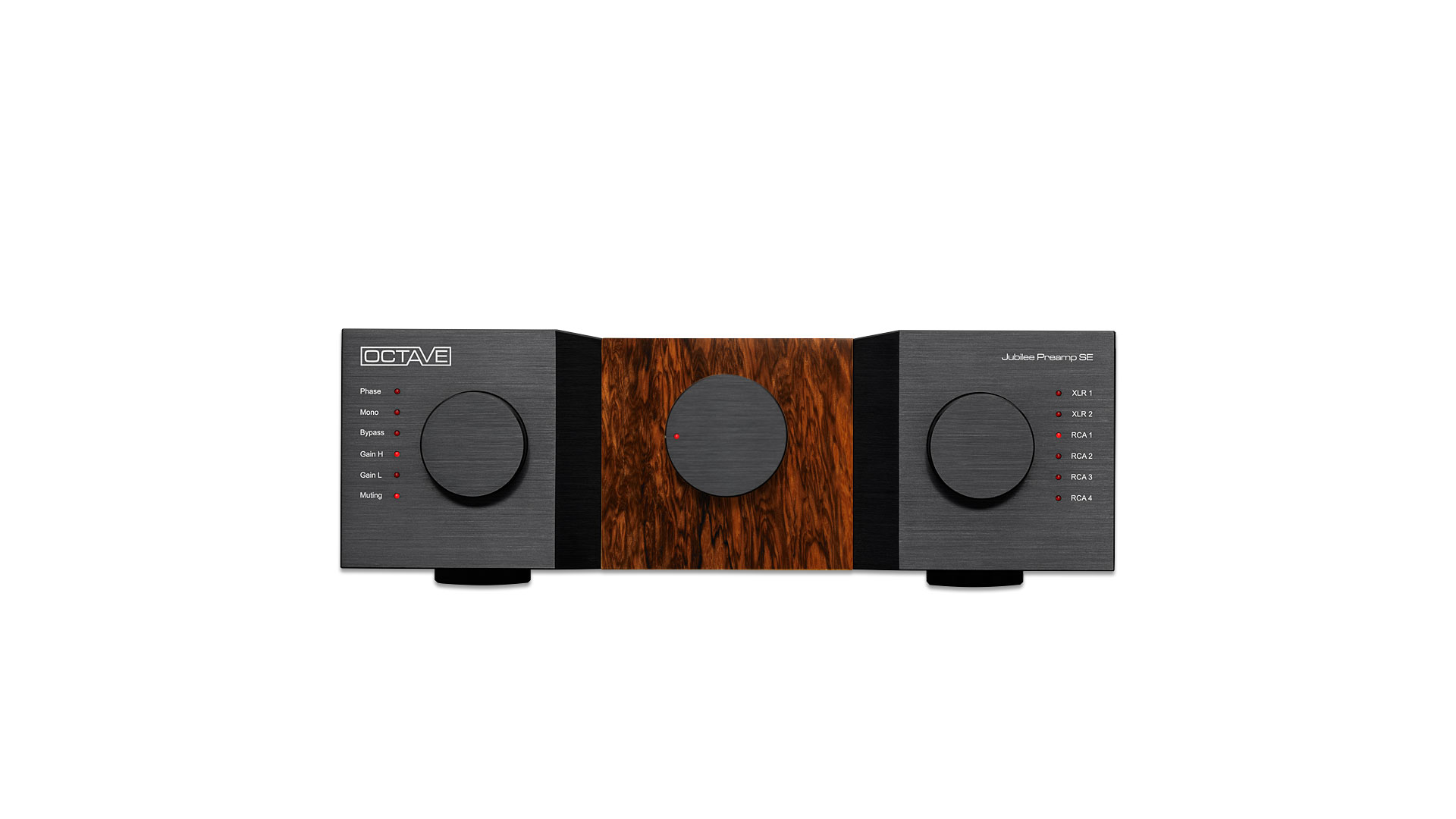
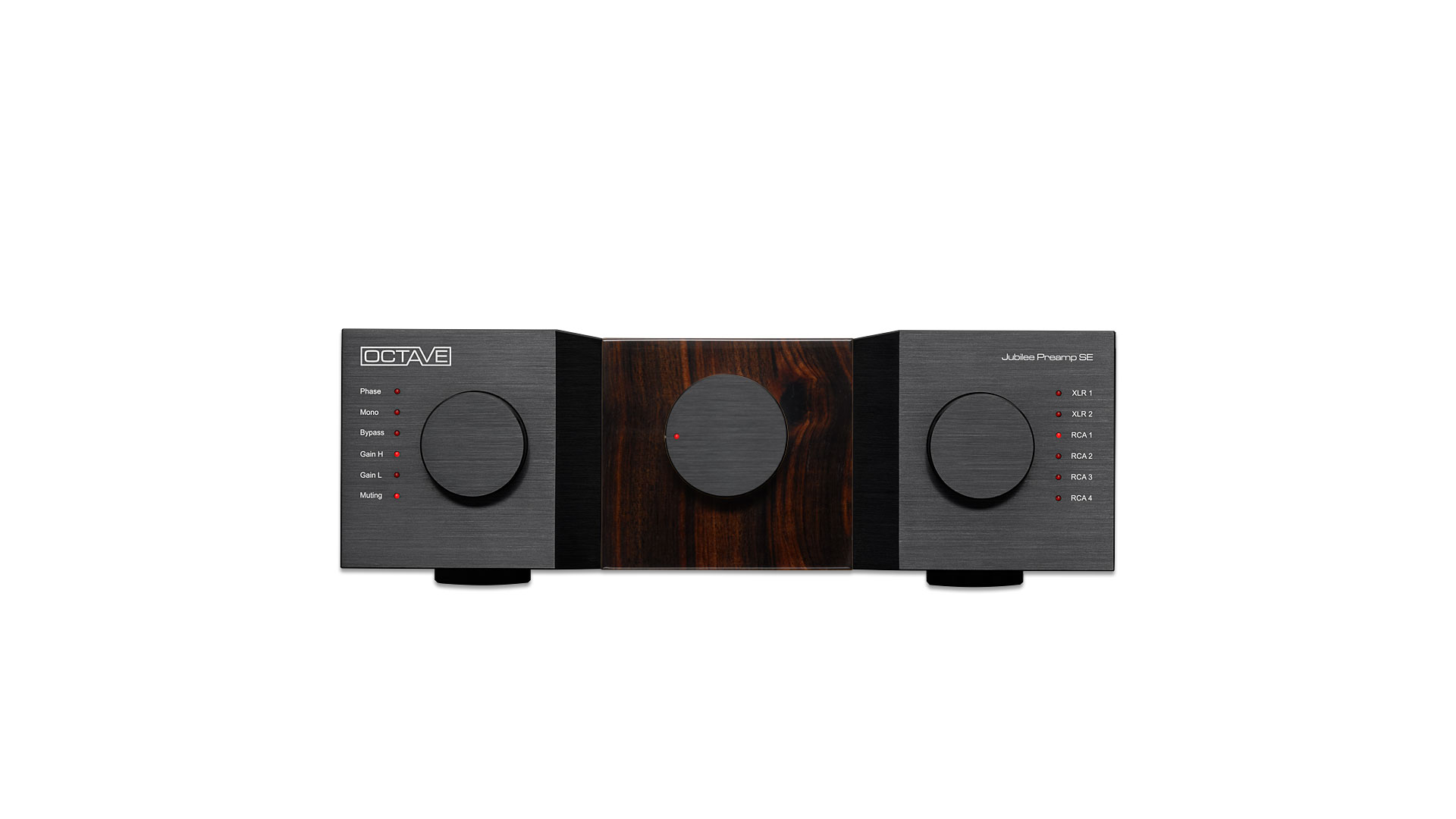
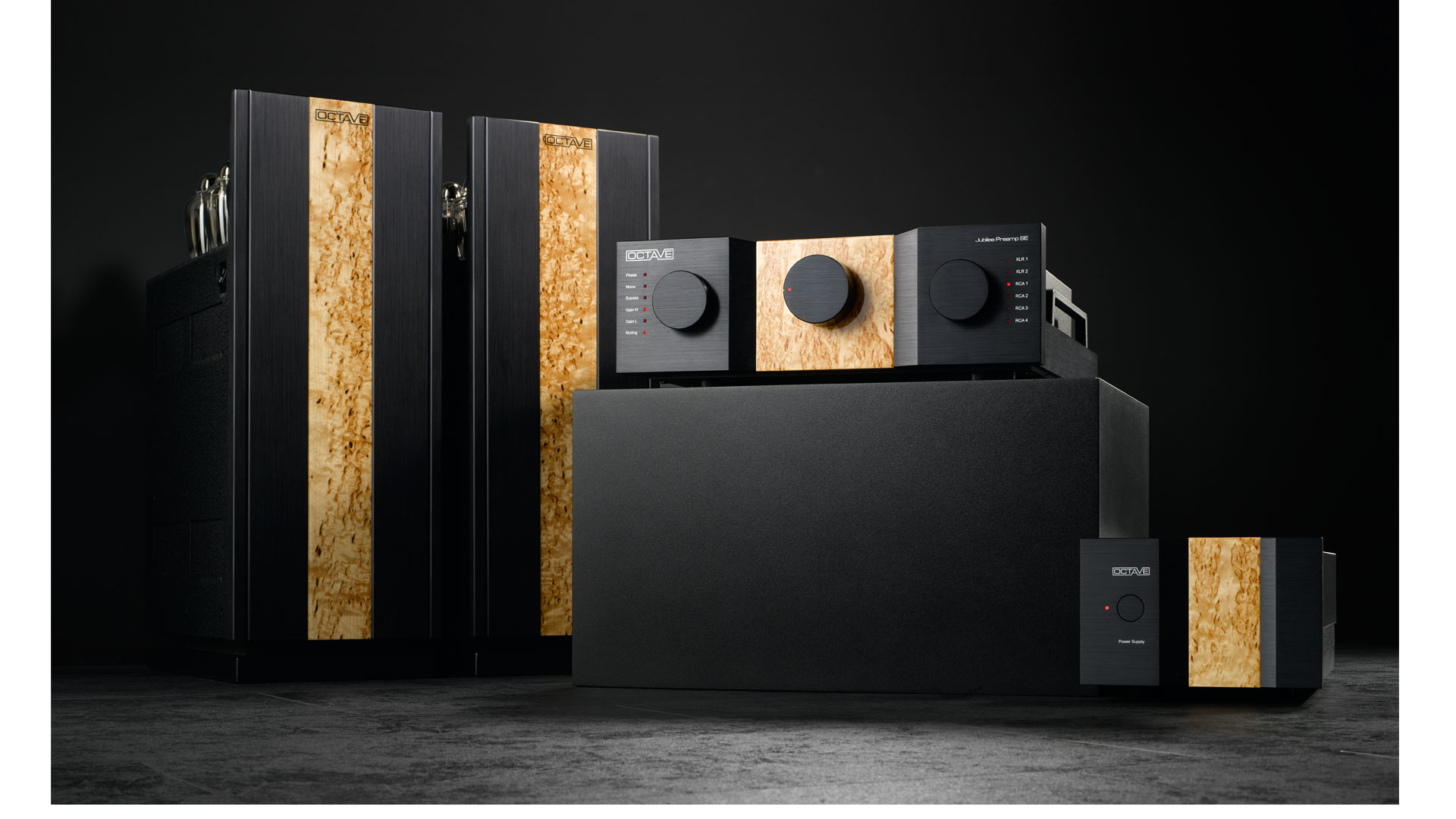
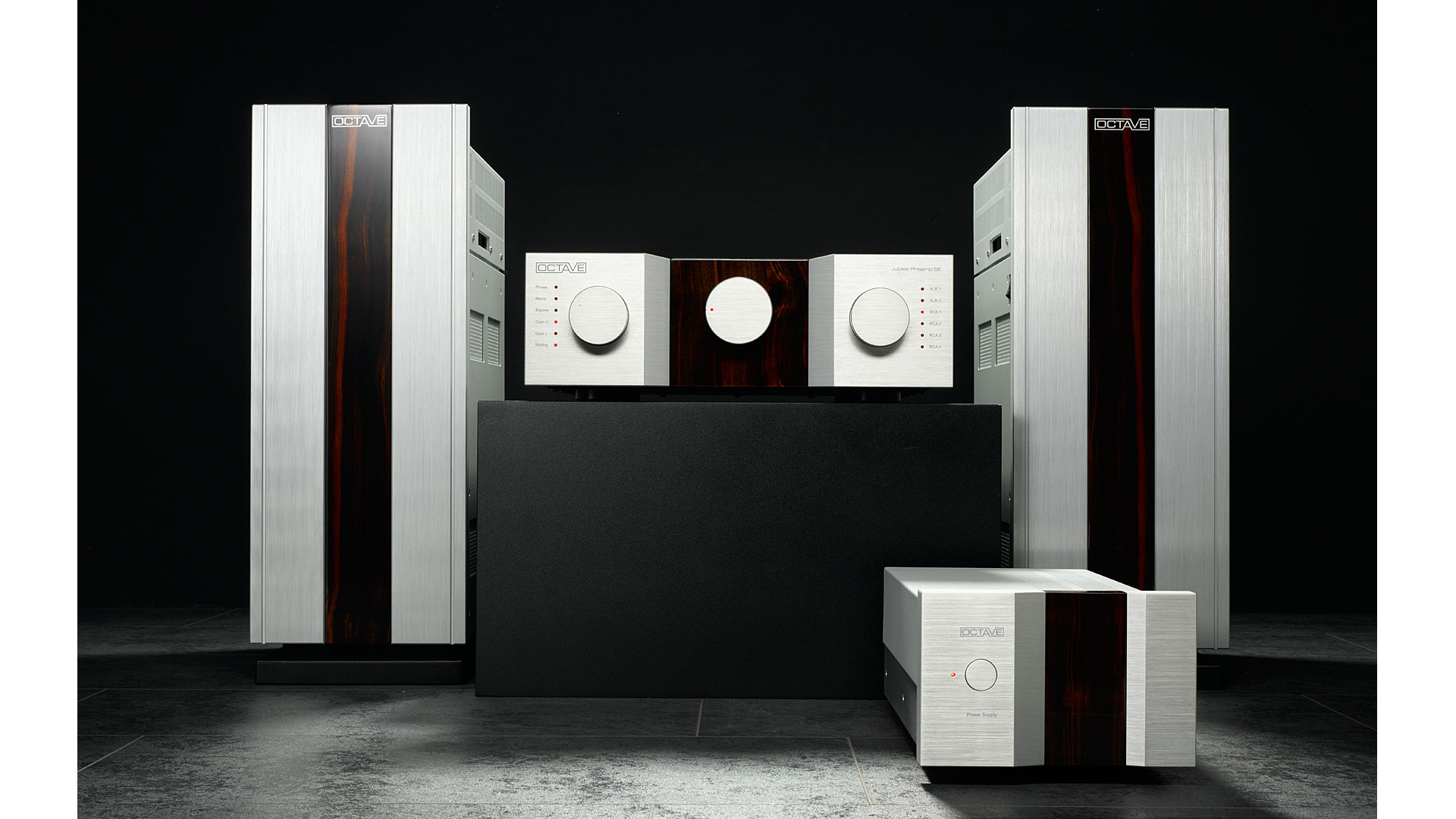
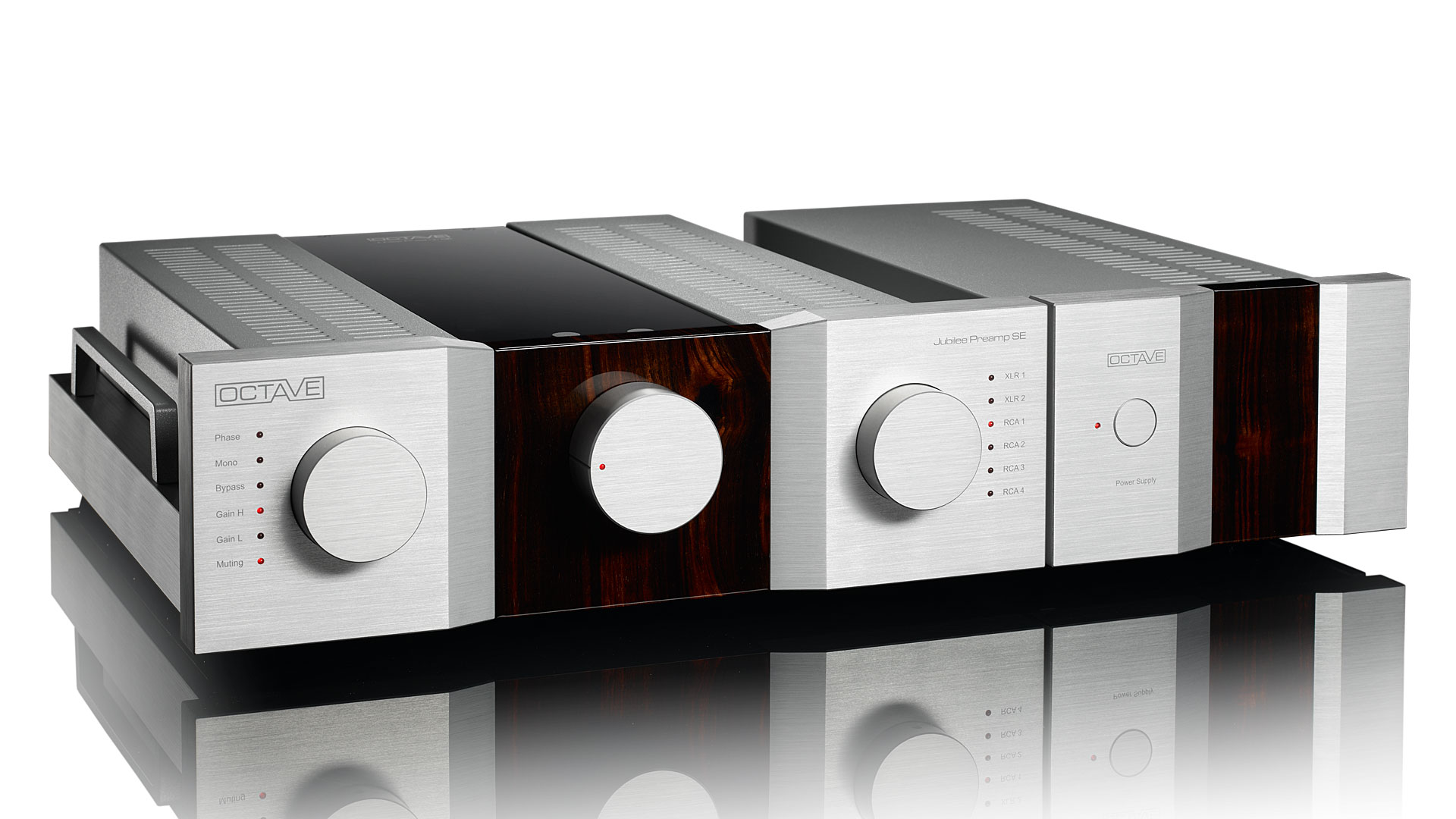
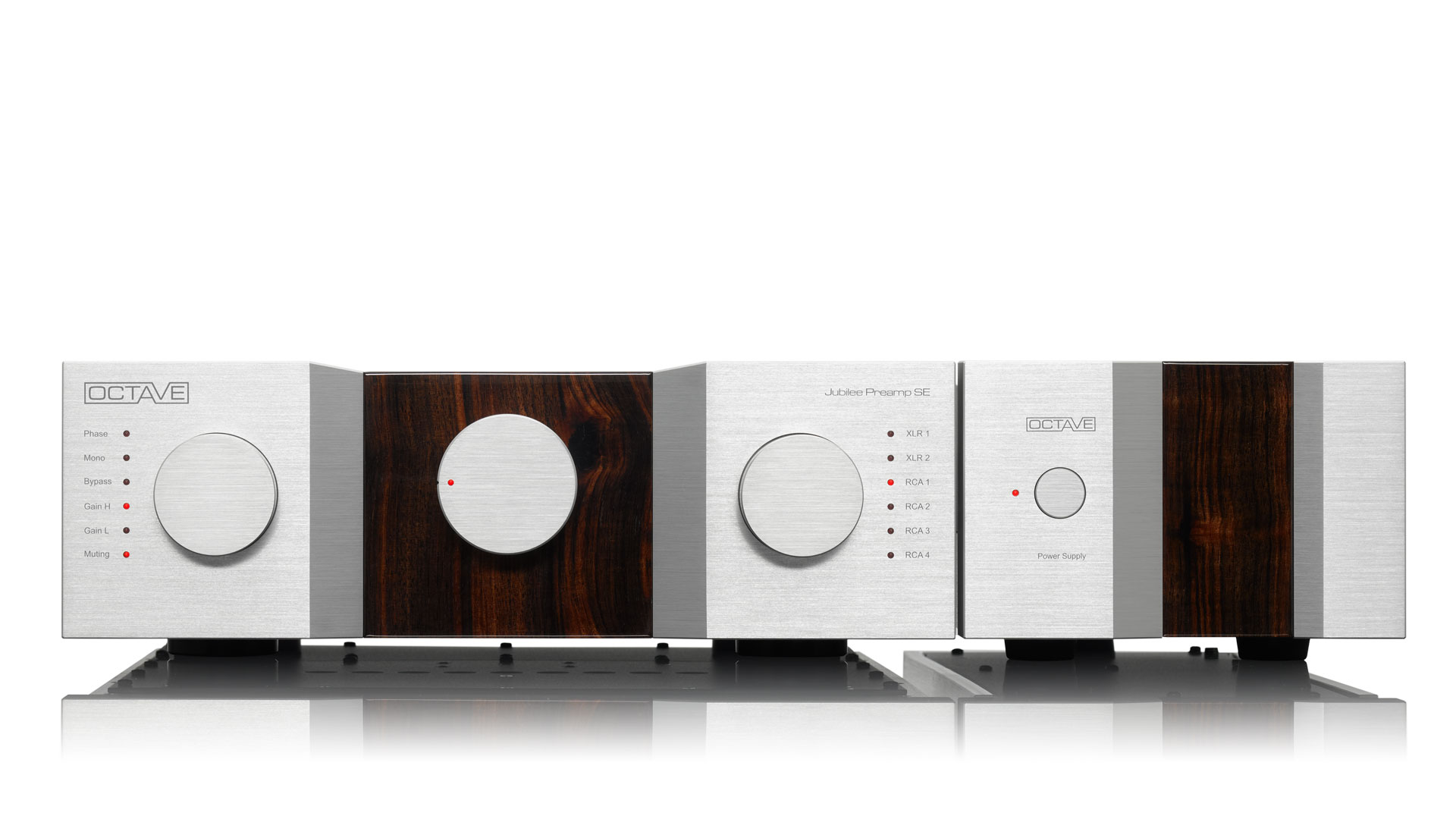
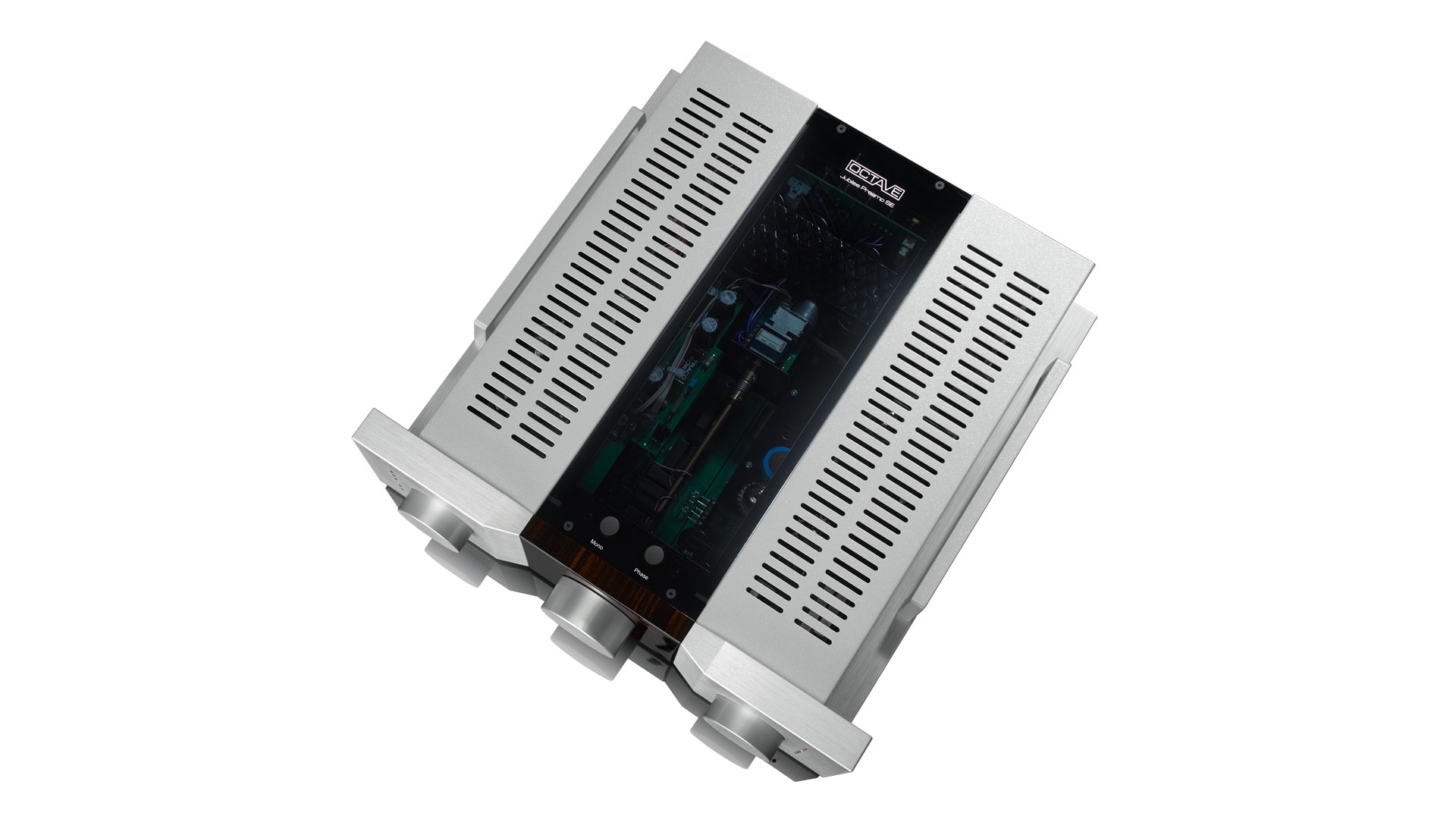
While the revolutionary amplifier layout of the Jubilee Preamp was already groundbreaking in terms of sound, technology, and aesthetics, the Jubilee Preamp SE takes things to a whole new level.
It naturally retains the unique features of the Jubilee Preamp, which can be summarized as follows:
-
The precision tube-based balancing stage ensures a perfectly balanced signal for the power amplifiers
-
The discrete solid-state output stage enables the Jubilee Preamp to deliver an extremely low-impedance output with very high current capability.
-
The zero-feedback circuit design, a highly sophisticated concept, rewards the listener with unwavering stability and exceptional detail (see technical specifications).
Detail-oriented improvements, made possible only through years of experience with numerous top-of-the-line combinations, have led to optimizations in the XLR input. Here, highly advanced input transformers, manufactured in-house, are used, specifically designed for modern DACs with high output levels up to 8V RMS. Their typical extended frequency and dynamic range is also effortlessly covered. These transformers are characterized by an input impedance of 80 kΩ and a frequency range of 5 Hz to 150 kHz. The total harmonic distortion (THD+Noise) of these transformers is 0.005%. Here, every DAC performs at its best. Any impairment of the high-quality music signal is 100% impossible, as no transistor input stage with its inherent nonlinearities—however small—affects the music signal.
The heart of the preamplifier, the four-tube amplifier layout, has been optimized in crucial areas:
-
Among other things, a new circuit board material with 70 µm copper from Matsushita in Japan, developed for sensitive analog circuits, was used. In audiophile circles, the use of circuit boards is generally considered inferior to point-to-point wiring, but the use of modern circuit boards calls this into question. In terms of the sonically and technically relevant parameters, the stability of the assembly and connections, and 100% repeatability, no point-to-point wiring can compete with a modern circuit board.
-
Resistors in the analog section are from Vishay/Beyschlag. These professional film resistors are characterized by exceptional long-term stability and low noise.
-
In the power supply section, professional electrolytic capacitors – manufactured in the EU – from Epcos are used. The series we have selected are characterized by a lifespan of over 20 years. These capacitors guarantee consistent quality in all climates worldwide.
The result of all these measures is a higher bandwidth with a 3 dB reduction in noise. This translates to greater detail, depth, and composure in the reproduction.
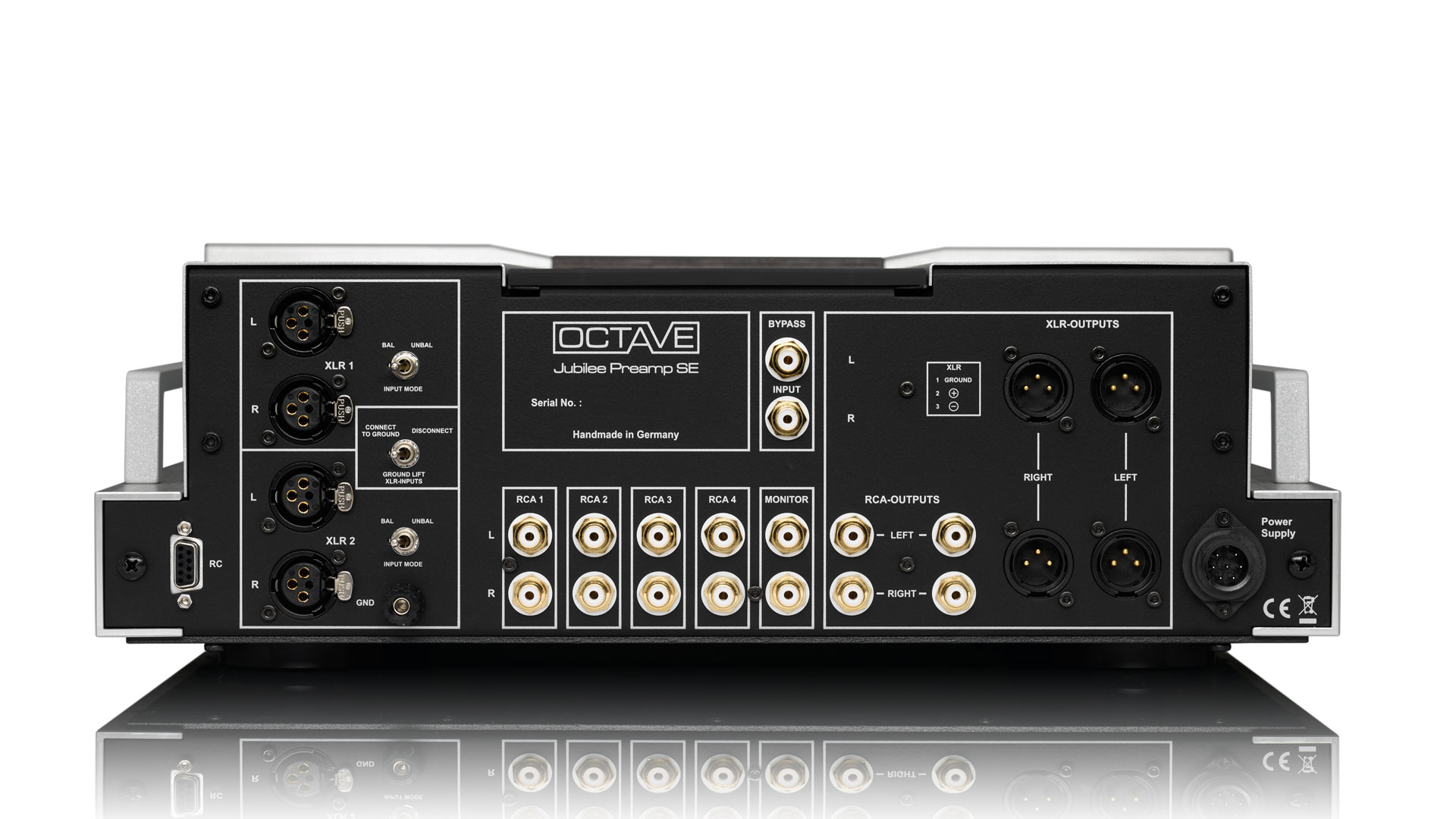
The connection to the power amplifier – often problematic with tube preamps – is not an issue with the Jubilee Preamp SE. A discrete built semiconductor amplifier is connected to the high-resolution tube stage. Also without negative feedback, it has an output impedance of only 33 ohms. This allows any power amplifier, even those with low input impedance down to 600 ohms, to be connected via RCA or XLR. Depending on the system configuration, signal cables up to 8 meters long may be required. However, this poses no problem for the Jubilee Preamp SE's exceptionally stable output stage. The sound remains consistently stable and unaffected by these external loads. The dual RCA and XLR outputs also enable seamless bi-amping, tri-amping, or quad-amping. The Jubilee Preamp SE is virtually indestructible. Switchable gain, phase, and mono options complete the configuration – see Features.
The Jubilee Preamp SE is not a break with the past. It is a logical evolution and sets a new standard.
Designed and manufactured in Germany. Refined over decades.
Uncompromisingly engineered in the relentless pursuit of perfection and a love of music.